Understanding Water Quality Key Parameters and Standards

Water is an essential resource that plays a crucial role in our daily lives, whether for personal use, recreational activities, or in various industries. The management of water quality is vital to ensure that it remains safe and pleasant for all users. Effective water quality management is particularly important for both residential and commercial pools, where maintaining clean, clear, and safe water is necessary for health and enjoyment. Understanding how to manage water quality effectively can help prevent health risks and enhance the overall swimming experience.
Understanding Water Quality: Key Parameters and Standards
Water quality is determined by several key parameters that must be monitored and maintained. Among these, pH levels, chlorine balance, and the presence of contaminants are critical factors.
| Parameter | Ideal Range | Importance |
|---|---|---|
| pH Level | 7.2 – 7.8 | Maintains comfort and prevents irritation |
| Chlorine | 1 – 3 ppm | Kills bacteria and maintains sanitation |
| Alkalinity | 80 – 120 ppm | Stabilizes pH levels |
| Contaminants | Minimized | Reduces health risks |
Maintaining the pH level within the ideal range is crucial for swimmer comfort and to prevent irritation to the skin and eyes. Chlorine, as a sanitizer, plays a vital role in killing harmful bacteria and ensuring the water is safe for swimming. Additionally, monitoring alkalinity helps to stabilize pH levels, making it easier to maintain overall water quality. Keeping contaminants to a minimum not only promotes a safer swimming environment but also enhances the aesthetic appeal of the pool.
Effective Pool Maintenance Techniques for Residential and Commercial Pools
Implementing proper maintenance techniques is key to achieving effective water quality management. Here are some practical tips:
- Regular Testing: Test water quality at least once a week, checking pH, chlorine levels, and alkalinity. Use reliable test kits to ensure accurate readings.
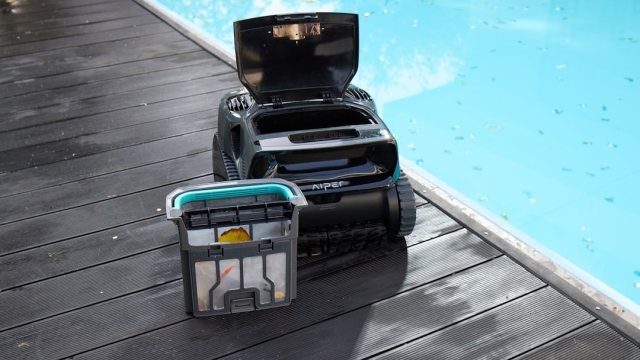
- Consistent Cleaning: Skim the surface to remove debris and vacuum the pool floor regularly. Brush the walls to prevent algae buildup.
- Filter Maintenance: Clean and maintain filters according to manufacturer guidelines. A well-functioning filter is essential for clear water.
- Water Level Monitoring: Keep an eye on the water level. Ensure it is high enough to allow for effective skimming and filtration.
- Shock Treatment: Regularly shock the pool to eliminate contaminants and restore water clarity, especially after heavy use or rain.
These techniques not only help in maintaining water quality but also extend the lifespan of the pool infrastructure. For those who may find it challenging to manage these tasks, seeking professional services can provide peace of mind and assurance of quality maintenance.
Choosing the Right Water Quality Management Services in the DMV Area
When it comes to selecting water quality management services, particularly in the DMV area, there are several factors to consider:
- Experience and Expertise: Look for companies with a proven track record in pool maintenance and water quality management. Experienced professionals are more likely to understand local water conditions and requirements.
- Community Recommendations: Seek recommendations from friends, family, or community groups. Local knowledge can lead to discovering reliable service providers.
- Service Range: Ensure the company offers comprehensive services, including regular maintenance, emergency repairs, and water quality testing.
- Certifications: Check for relevant certifications or licenses that affirm the company’s qualifications in water quality management.
By choosing a reputable service provider, you can ensure that your pool is maintained to the highest standards, allowing for a safe and enjoyable swimming experience.
Effective water quality management is not just about maintaining clear water; it is about ensuring the health and safety of all who use the pool. By understanding key water quality parameters, implementing diligent maintenance practices, and selecting qualified service providers, both residential and commercial pool owners can achieve optimal water quality.
For more information about pool maintenance and water quality management, consider exploring professional services that can cater to your specific needs.