Understanding Pool Energy Consumption

As pool owners, ensuring an enjoyable and efficient swimming experience is a top priority. However, maintaining a pool can also lead to significant energy consumption, affecting both your finances and the environment. Understanding and implementing strategies for pool energy efficiency is essential for reducing costs, minimizing environmental impact, and enhancing the overall sustainability of your pool. In this article, we will explore the importance of energy efficiency in pools, discuss energy-efficient equipment and upgrades, and outline sustainable maintenance practices that can help you keep your pool running smoothly while saving energy.
Understanding Pool Energy Consumption
Pools require energy for various functions, including heating, filtration, lighting, and cleaning. Each of these components contributes to the overall energy consumption of the pool. Understanding how much energy your pool uses can help you identify areas for improvement. A significant portion of energy usage typically comes from heating systems and pumps, which can account for a large part of your utility bill. By focusing on pool energy efficiency, you can reduce these costs while also contributing to a more sustainable environment.
Energy-Efficient Pool Equipment and Upgrades
Investing in energy-efficient equipment is one of the most effective ways to enhance your pool’s energy efficiency. Here are some key upgrades to consider:
1. Variable Speed Pumps
Traditional single-speed pumps often operate at maximum power even when less energy is required. By switching to a variable speed pump, you can adjust the power level to match your specific needs, which can lead to significant energy savings over time. These pumps are designed to run at lower speeds for longer periods, reducing energy consumption while maintaining optimal water circulation.
2. Energy-Efficient Heaters
If you heat your pool, consider upgrading to an energy-efficient heater, such as a heat pump or a solar pool heater. Heat pumps extract heat from the air and transfer it to the water, providing a more energy-efficient heating option compared to traditional gas heaters. Solar pool heaters utilize renewable energy from the sun, making them an eco-friendly choice.
3. LED Pool Lighting
Replacing incandescent pool lights with LED lighting can dramatically reduce energy consumption. LED lights use significantly less electricity and have a longer lifespan, leading to lower maintenance costs and reduced energy bills.
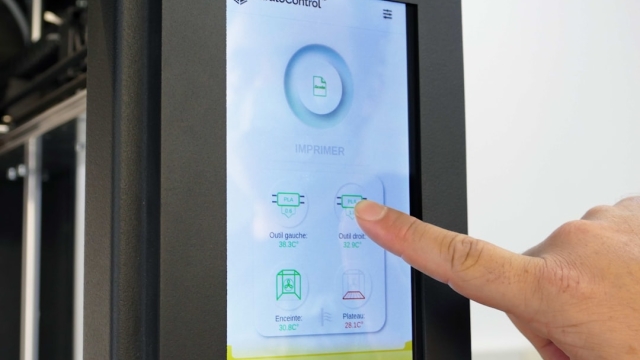
4. Automatic Control Systems
Implementing an automatic control system can further enhance your pool energy efficiency. These systems allow you to automate various functions, such as heating, filtration, and lighting, based on your usage patterns. By scheduling operations during off-peak hours or when solar energy is abundant, you can optimize energy use and reduce costs. For more information on automatic control systems, visit this resource.
Sustainable Pool Maintenance Practices
Beyond upgrades, regular maintenance plays a crucial role in sustaining pool energy efficiency. Here are some practical tips:
1. Maintain Water Chemistry
Keeping your pool’s water chemistry balanced not only ensures a safe swimming environment but also helps the filtration system operate efficiently. Proper pH and chlorine levels can reduce the strain on pumps and heaters, leading to lower energy consumption.
2. Regular Cleaning
Debris and dirt in your pool can hinder circulation and increase the workload on your pump. Regularly skimming the surface, brushing the walls, and vacuuming the bottom will help keep your pool clean and minimize energy use.
3. Use a Pool Cover
Investing in a quality pool cover can significantly reduce heat loss and evaporation, particularly during cooler months. This not only maintains water temperature but also minimizes the need for heating, contributing to overall energy savings.
4. Regular Equipment Maintenance
Ensure that all pool equipment is regularly serviced and maintained. Clean filters, check for leaks, and promptly address any mechanical issues to keep your pool running efficiently.
Conclusion
Improving pool energy efficiency is not just about cutting costs; it’s also about embracing sustainable practices that benefit the environment. By evaluating your current pool setup and considering the discussed strategies, you can enhance the energy efficiency of your pool while enjoying a cleaner, greener swimming experience. Now is the time to take action and make informed choices that will lead to long-term savings and a positive impact on our planet.