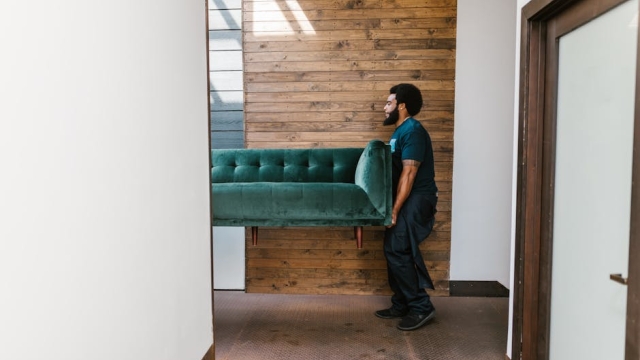
Planning Your Business Move Essential Steps for a Smooth Transition

Relocating a business can be a daunting task, filled with challenges that can lead to stress and disruption. However, with careful planning and the right strategies in place, it is possible to achieve stress-free business moves that allow your organization to transition smoothly. A well-executed move not only minimizes downtime but also sets the stage for continued productivity and growth in your new location. In this article, we’ll explore essential steps for planning your business move, tips for choosing the right moving services, and strategies for minimizing downtime during your relocation.
Planning Your Business Move: Essential Steps for a Smooth Transition
The foundation of any successful business relocation lies in thorough planning. Start by establishing a timeline that outlines all necessary tasks leading up to the move. This should include notifying employees, informing clients, and coordinating with any necessary vendors. Consider the following key steps:
- Conduct a Needs Assessment: Evaluate the specific requirements of your business, such as square footage, layout preferences, and special equipment needs. This assessment will guide your search for a suitable new location.
- Budgeting: Create a budget that covers all aspects of the move, including moving services, packing supplies, and any potential renovations at the new site. Being financially prepared reduces stress significantly.
- Communication Plan: Develop a communication plan that keeps employees informed throughout the process. Regular updates can alleviate anxiety and help staff feel involved in the transition.
Choosing the Right Moving Services: What to Look For
One of the most critical components of achieving stress-free business moves is selecting the right moving services. A professional moving company can significantly ease the burden of relocation. Here are some factors to consider when choosing a moving service:
- Experience: Look for a company with a proven track record in handling commercial moves. Experienced movers are familiar with the unique challenges businesses face during relocation.
- Services Offered: Ensure the moving company provides a comprehensive range of services, such as packing, loading, transportation, and unpacking. This will allow you to tailor their offerings to your specific needs.
- References and Reviews: Check reviews and ask for references from previous clients. Positive feedback can provide peace of mind and assurance that the movers are reliable.
- Insurance and Licensing: Verify that the moving company is properly licensed and insured. This protects your business in case of any damages or losses during the move.
When you’re ready to take the next step, consider reaching out to professional services that specialize in stress-free business moves to ensure a seamless experience.
Tips for Minimizing Downtime During Your Business Relocation
Downtime can be detrimental to any business, so taking steps to minimize disruptions during your move is essential. Here are actionable tips to help you keep productivity high:
- Plan for Off-Peak Hours: Schedule your move during off-peak hours to reduce the impact on your operations. This might mean moving on a weekend or after business hours.
- Pre-Move Organization: Organize and label all equipment and supplies before the move. This not only speeds up the packing process but also ensures that everything is easily accessible in your new location.
- Set Up in Advance: If possible, arrange for the new space to be set up before the actual move date. This allows you to hit the ground running as soon as you arrive.
- Communication is Key: Maintain open lines of communication with your team. Encourage them to share concerns and ideas about the move, fostering a collaborative atmosphere that can lead to innovative solutions.
By implementing these strategies, you can create a plan that supports stress-free business moves and ensures that your organization can continue to thrive in its new environment. A successful relocation is not just about getting from point A to point B; it’s about making the transition as smooth and efficient as possible for everyone involved.